Food Ceremony
Death brought people together in a profound way and gave opportunity for reflections, new beginnings and perhaps endings of negative things. Every activity had a reason and function. The villagers came to help keep vigil, console and condole with the bereaved. They were the last to leave the home. Eating together bound people together, riwo lwedo. All these is dead and gone. Time to reflect
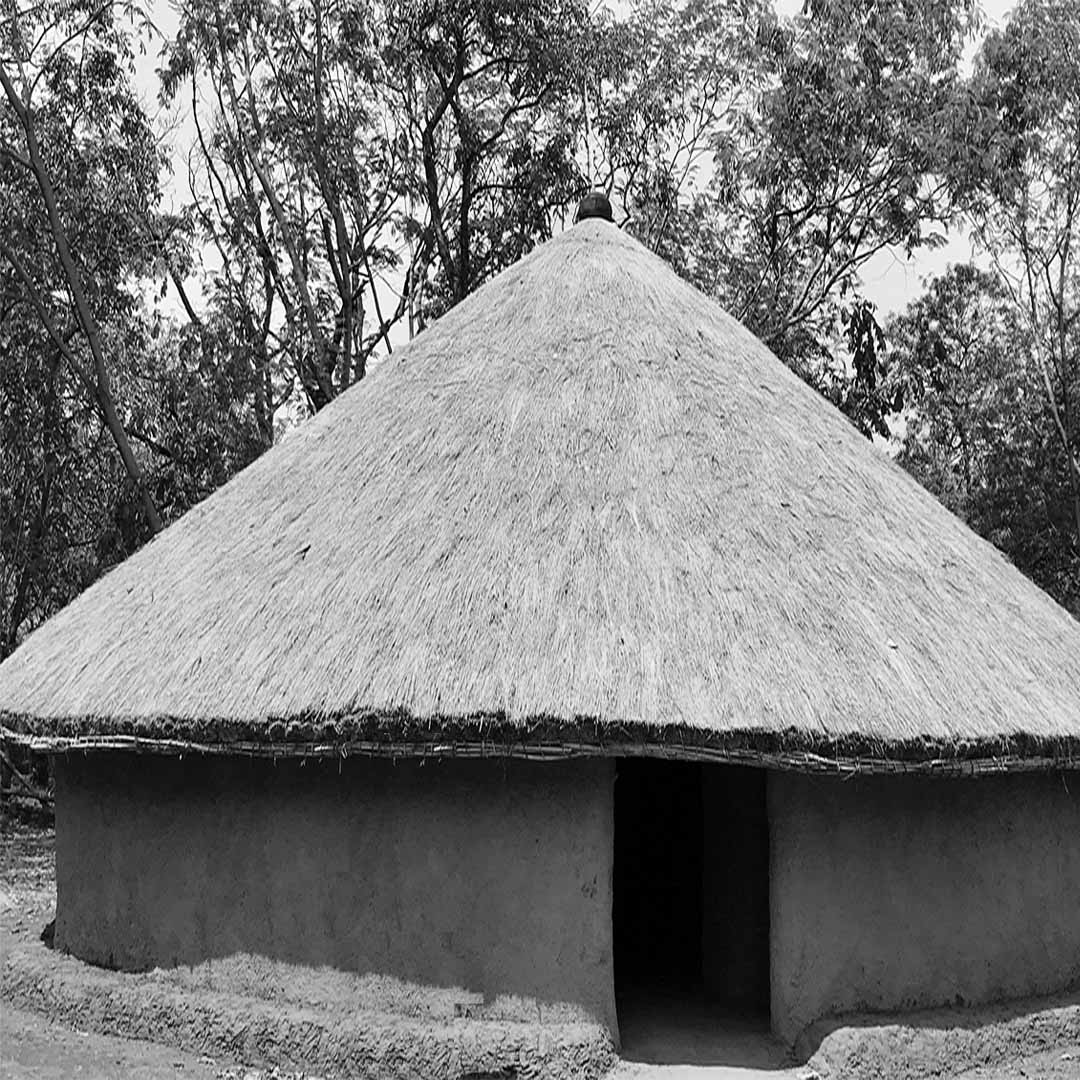
TILL EARLY 60s
No cooking of food in the home. Bereaved not allowed to do any chores, kwero. Cooked food ready to eat brought by neighbours. Burial on the second or third day. Mourning period observed 3 days for female, 4 for male. Oche never attend burial. They come later by appointment.
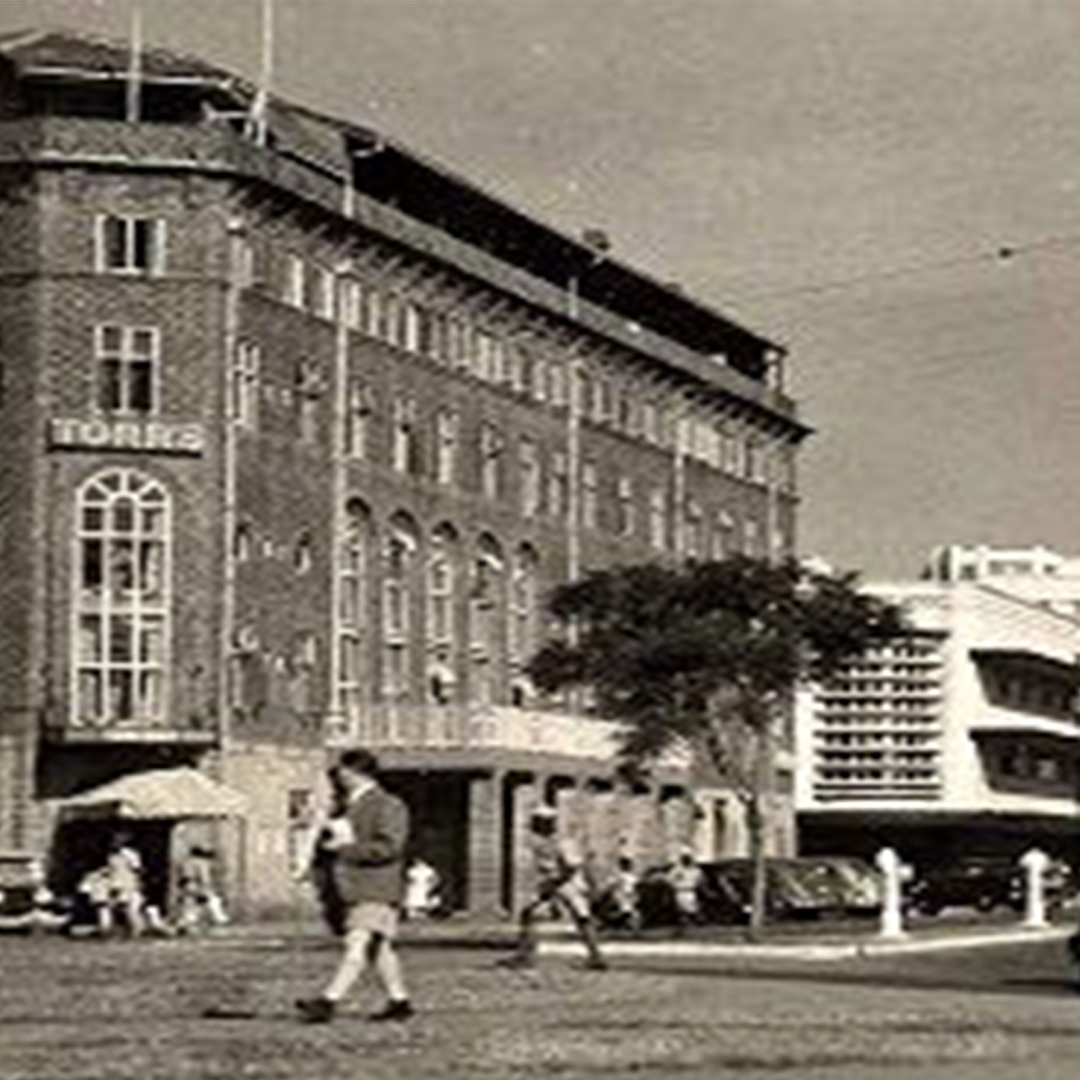
1960 – 1970s
Migration to urban places. Formation of social welfare groups to transport dead people home. They collected money to cater for all expenses including food. Cooking takes place in the home of the bereaved and was done by villagers to serve large convocation of people.
1970 – 1980s
Money collected by the bereaved is used to buy food for the funeral from Nairobi, and on the way. Nairobians want to purchase the foodstuffs personally. Food is prepared by the villagers who helped and take an active part in the functions in the home. The bereaved controls all foodstuff donated from the villages and welfare. Soon, the bereaved family began to suspect or perceive that the villagers are stealing foodstuffs. Therefore they begin to hire Jotedo, cooks and villagers are thrown out. More so, they carry back with them unspent foodstuff instead of giving them out to the villagers.
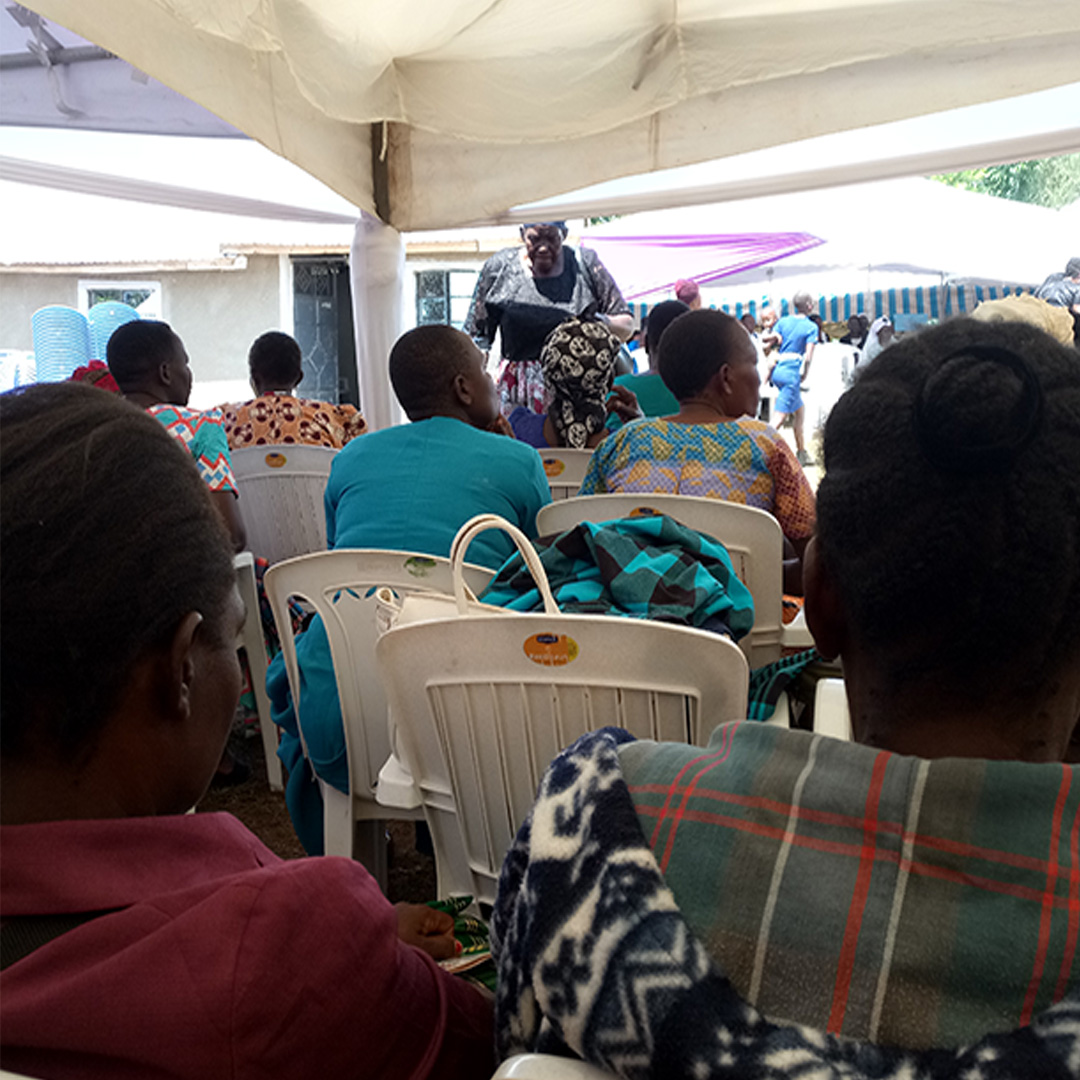
1980 – 2000
The villagers are no longer active participants in funerals. They are observers from a distant. The villagers should not eat in the tents meant for visitors. They should eat in their homes before coming to kar liel . They can’t even sit on chairs brought by the caterers… they are told, Jodala vacate the seats for our visitors. The bereaved are now hiring jo cater complete with tents, chairs, public address systems and utensils. The cost of funerals escalates. The villagers are isolated. The society is stratified along jo-Nairobi, jodala. Serving food in the tents is done by calling people by places where they come from. Jodala are never called. They have no tent.
TODAY
Today, the villager can only participate if he is paid to dig, the grave, fetch firewood..etc chores they did for decades voluntarily and willingly. What is the way forward; are they now going to have makeshift kiosks so that funeral goers can buy food or will they carry packed food from Nairobi and urban centres?
